


Description
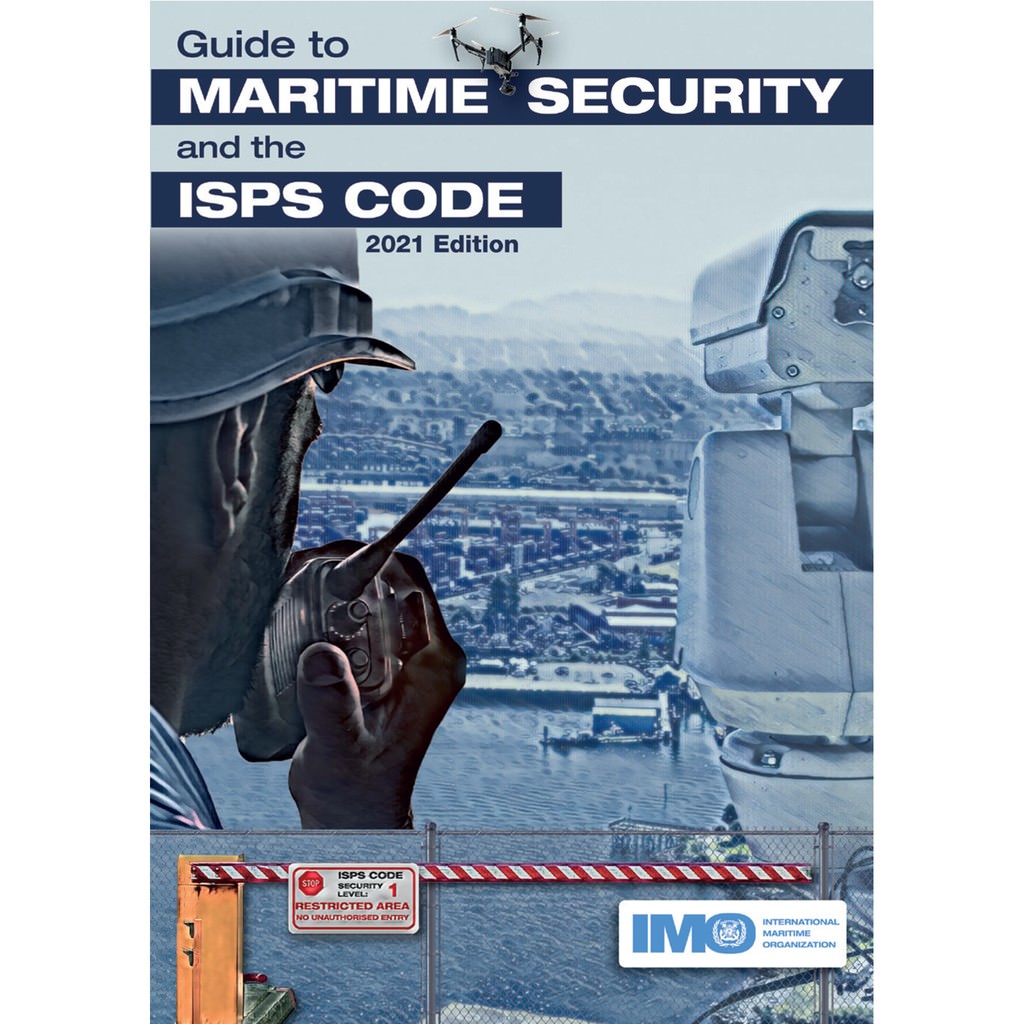
ISPS Code – Guide to Maritime Security (2021 Edition) is an official publication from the International Maritime Organization (IMO) containing the International Ship and Port Facility Security Code (ISPS Code) along with guidance for the implementation of maritime security. The publication is a key reference work for shipping companies, port facilities, and authorities working with security in international shipping.
The ISPS Code was developed by the IMO following the 2001 terrorist attacks to strengthen security in international maritime transport. The regulations establish a global framework for how ships and port facilities should identify and manage security risks, as well as how security measures should be planned, implemented, and maintained.
Guide to Maritime Security & ISPS Code provides both the regulations themselves and practical guidance on how the requirements can be met in practice. The publication describes, among other things, the distribution of responsibility between ships and port facilities, security levels, requirements for security plans, and procedures for handling security incidents.
The 2021 edition reflects updated recommendations and best practices for maritime security. The book is used by security officers in shipping companies, port facility security officers (PFSO), ship security officers (SSO), flag states, classification societies, and maritime educational institutions.
Kart.no is an authorized supplier of IMO publications in Norway and provides both printed and digital editions to maritime businesses, authorities, and educational institutions.