


Nautical charts and navigation · Norwegian-flagged vessels
Nautical charts on board – what is required?
Paper charts, a chartplotter or ECDIS? Understand chart requirements, backup arrangements and updates, then check which logbooks and nautical publications your vessel needs.
Nautical charts: requirements, backup and updates

Kartverket · Print on Demand
Choose a chart arrangement under the regulations applicable to your vessel. Up-to-date paper charts may serve as the primary arrangement or as backup for an approved electronic system.
Who needs charts on board?
| Vessel group | Charts and electronic alternatives |
|---|---|
| Ships covered by the Norwegian navigation regulations | Section 16 requires up-to-date official charts covering the voyage. ECDIS with backup may fulfil the chart requirement. ECDIS is mandatory for certain ships on international voyages; paper charts alone do not replace that obligation. |
| Small cargo ships covered by regulations 2025/2652 | Section 21 allows paper charts on a chart table in the wheelhouse, ECDIS with backup, or an approved chart system with backup. Ships below 12 metres greatest length and ships without a wheelhouse have a specific alternative: a CE-marked chartplotter using up-to-date chart data meeting Kartverket’s standard. |
| Norwegian fishing vessels | Circular RSV 10-2023 describes updated paper charts or type-approved ECDIS with ENC and backup: an additional ECDIS with ENC or updated paper charts. Paper charts are required where ENC coverage is unavailable. |
| Ordinary recreational boats | Commercial-vessel requirements are not a universal checklist for leisure boats. The Norwegian Maritime Authority recommends updated paper charts as a safeguard against electronic failure. |
Do I need two navigation systems?
There is no universal requirement for two ordinary chartplotters. Where ECDIS or an approved chart system fulfils the statutory chart requirement, the backup arrangement must meet the vessel’s requirements. It may consist of a suitable electronic backup or updated paper charts covering the voyage.
Two screens alone do not demonstrate approval. A standard plotter or app does not become ECDIS simply because it uses Kartverket data.
What changed in 2026? New small-cargo-ship regulations entered into force on 1 January 2026. They permit CE-marked plotters for the groups above; this is not a general tightening to require two systems. Circular RSV 15-2026 of 23 June continues the alternative chart-system approval scheme from 2022, with assessment by a designated conformity assessment body. Request documentation for the actual system and backup. Other vessel groups follow their own rules.
When must charts be updated or replaced?
- Before sailing: Check coverage, the latest valid edition, relevant corrections and notices.
- Paper charts: Norwegian Notices to Mariners (Efs) are issued every 14 days. Apply relevant corrections and account for temporary and preliminary notices and navigational warnings. Professional users must consult the complete official Efs publication; the chart search does not show every warning.
- New edition or new chart: Earlier editions become obsolete and must be replaced. Otherwise, a valid edition can be maintained through corrections; there is no general annual replacement rule.
- Print on Demand: Check the “Corrected to Efs” information and POD date, as well as the edition. Maintain corrections after the chart’s correction status. An older publication year alone does not mean a newly produced chart is out of date.
- Electronic charts: Maintain chart data, licences and backup under the applicable system requirements. Kartverket’s fortnightly publication cycle does not guarantee that your plotter has automatically received updates.
Browse nautical charts → · Find Efs corrections →
Chart regulations and sources
Sources checked by Kart.no on 13 November 2026. Check scope, exemptions and the vessel’s documented approvals. These are Norwegian flag requirements.
Logbook and publication requirements for NOR/NIS vessels
This guide focuses on vessels registered in NOR and NIS. For other flags, check the flag State’s requirements and approvals. We also supply international and flag-specific editions.
1. Vessel and size
Cargo ships, passenger ships and fishing vessels have different rules. Check the applicable length measurement and gross tonnage (GT) in the vessel’s documents.
2. Trading area and equipment
Domestic or foreign trade, certified trading area, radio sea area and the safe manning document can affect your choice of books.
3. Flag and operations
Check registration, language, cargo, ballast water and specialised operations, together with documented arrangements and any exemptions.
A guide to books and publications. This is not a complete inventory of vessel certificates, equipment or safety-management documentation. Pleasure craft, vessels operating under the Norwegian 12-passenger scheme and specialised vessels require assessment under their own rules.

Nautical reference for Norwegian fishing vessels
Norsk Fiskaralmanakk 2026
A Norwegian-language reference covering collision regulations, navigation and practical information for fishing and coastal operations.
Under section 85 of the Norwegian regulations for fishing vessels under 15 metres, fishing vessels with a length below 10.67 metres may use Norsk Fiskaralmanakk together with the necessary charts for their trading area as an alternative to the nautical publications otherwise required by that section.
This option concerns charts and nautical publications; it is not a general exemption from separate requirements for logbooks, radio publications or other vessel documentation. The charts must still be adequate and up to date.
Legal basis: section 85 – charts and nautical publications (Norwegian)
View Norsk Fiskaralmanakk 2026 (Norwegian) →IAMSAR III and the International Code of Signals
IAMSAR III supports search and rescue from vessels. The International Code of Signals supports international communication. Match each carriage requirement to the regulation covering the vessel.
| Vessel group | IAMSAR Volume III | International Code of Signals |
|---|---|---|
| Smaller cargo ships | For vessels covered by regulation 2025/2652: an up-to-date paper edition from an overall length of 8 metres. | Section 12 requires an up-to-date paper edition for ships of 300 GT and upwards in foreign trade with radio equipment installed. |
| Ships covered by the Navigation Regulations | Section 5 requires an up-to-date paper edition. | Section 5 requires an up-to-date paper edition when radio equipment is installed. |
| Fishing vessels of 15 metres and upwards | Section 9-16 of regulation 2000/660 requires an up-to-date edition. | The same provision requires an up-to-date signal book when radio equipment is installed. |
Section 1 of the Navigation Regulations covers, among others, larger cargo ships and passenger ships. Smaller cargo ships have a separate regulation from 2026. Check scope and exceptions before applying this table.
Choose the correct volume and format. IAMSAR Volumes I and II do not replace Volume III. Where a paper edition is required, a digital licence alone does not fulfil that requirement. A signal card should not be confused with the complete signal book.
A separate requirement for distress signals: Under section 13 of the Smaller Cargo Ship Regulations, ships in the small coasting trade area or a greater trading area must have an up-to-date table of distress signals from the International Code of Signals readily available on board. This is a separate requirement, including where section 12 does not require the complete signal book. Carrying the complete book does not remove the need for ready access to the table.
Relevant editions – click a cover to view the product.

Radio logbooks and ITU: who needs what?
A radio logbook does not automatically mean you need the complete ITU set. First establish the radio-recording requirement, then assess publications against vessel type, radio obligations and sea area.
Radio logbook: recording the service
Smaller cargo ships below 300 GT: For ships covered by chapter 4 of the Smaller Cargo Ship Regulations, section 46 requires a radio logbook recording function tests, maintenance, important communications and distress, urgency and safety messages. The deck logbook may be used. Radio records can therefore be required even where an ordinary deck logbook is not mandatory.
Records include important distress, urgency and safety communications and incidents in the radio service. Vessels covered by section 12 of the Radio Regulations may use a separate radio logbook or the deck logbook. Fishing vessels of 15 metres and upwards have the same option under section 9-16.
ITU: references for the radio service
The Maritime Manual, List IV and List V provide procedures, rules and station information. Their carriage requirements follow the rules applicable to the vessel, rather than the choice to use a separate radio logbook.
A practical example: A fishing vessel of at least 15 metres must keep radio records under section 9-16. The specific ITU Maritime Manual requirement in that section applies when equipped for sea area A2 or beyond. That provision does not automatically require the Manual, List IV and List V as a complete package for every such vessel.
Three situations to distinguish
| Vessel / applicable rules | Radio records | ITU publications |
|---|---|---|
| International GMDSS obligation Appendix 16, Section I | Radio-service records are required, subject to arrangements accepted by the administration. | The starting point is the Maritime Manual, List IV and List V. The administration may exempt the Manual and List IV under specified conditions. |
| Fishing vessels of 15 metres and upwards Regulation 2000/660, section 9-16 | Yes. In a separate radio logbook or the deck logbook. | For equipment covering sea area A2 or beyond, section 9-16 additionally requires a channel plan and frequency tables for the operating area, GMDSS coverage charts, the ITU Maritime Manual and GMDSS Operating Guidance for Masters of Ships in Distress Situations. Assess any List IV/V requirements under the other rules applicable to the vessel. |
| Other vessels / national arrangements | Check the applicable vessel radio regulations and documented arrangements. | A VHF or radio logbook does not alone determine the answer. Check the relevant part of Appendix 16, national requirements and any exemptions before selecting titles. |
What does Appendix 16 say about other ship stations?
Section II concerns other ship stations with radio-installation obligations under regional or international agreement. It includes List IV and relevant radio rules and procedures, for example the Maritime Manual; its list differs from Section I. Section III refers other ship stations to the administration’s requirements.
Exemption arrangements exist. Sea area A1 or domestic trade alone does not establish that all ITU titles may be omitted. Read ITU Appendix 16 →
Which vessels are covered by section 12 of the Radio Regulations?
Regulation 2014/955 covers, among others, Norwegian cargo ships from 24 metres in length (L) or 300 GT, ships with passenger certificates, ships with passenger-ship safety certificates in foreign trade, mobile offshore units, and pleasure craft from 24 metres overall length. Fishing vessels and smaller cargo ships have separate rules that also require checking.
Sources: ITU Appendix 16, Sections I–III · Fishing vessels, section 9-16 · Radio Regulations, sections 1 and 12
Relevant editions – click a cover to view the product.

GMDSS Radio Log Book NOR/NIS
Separate radio-service records · X1545
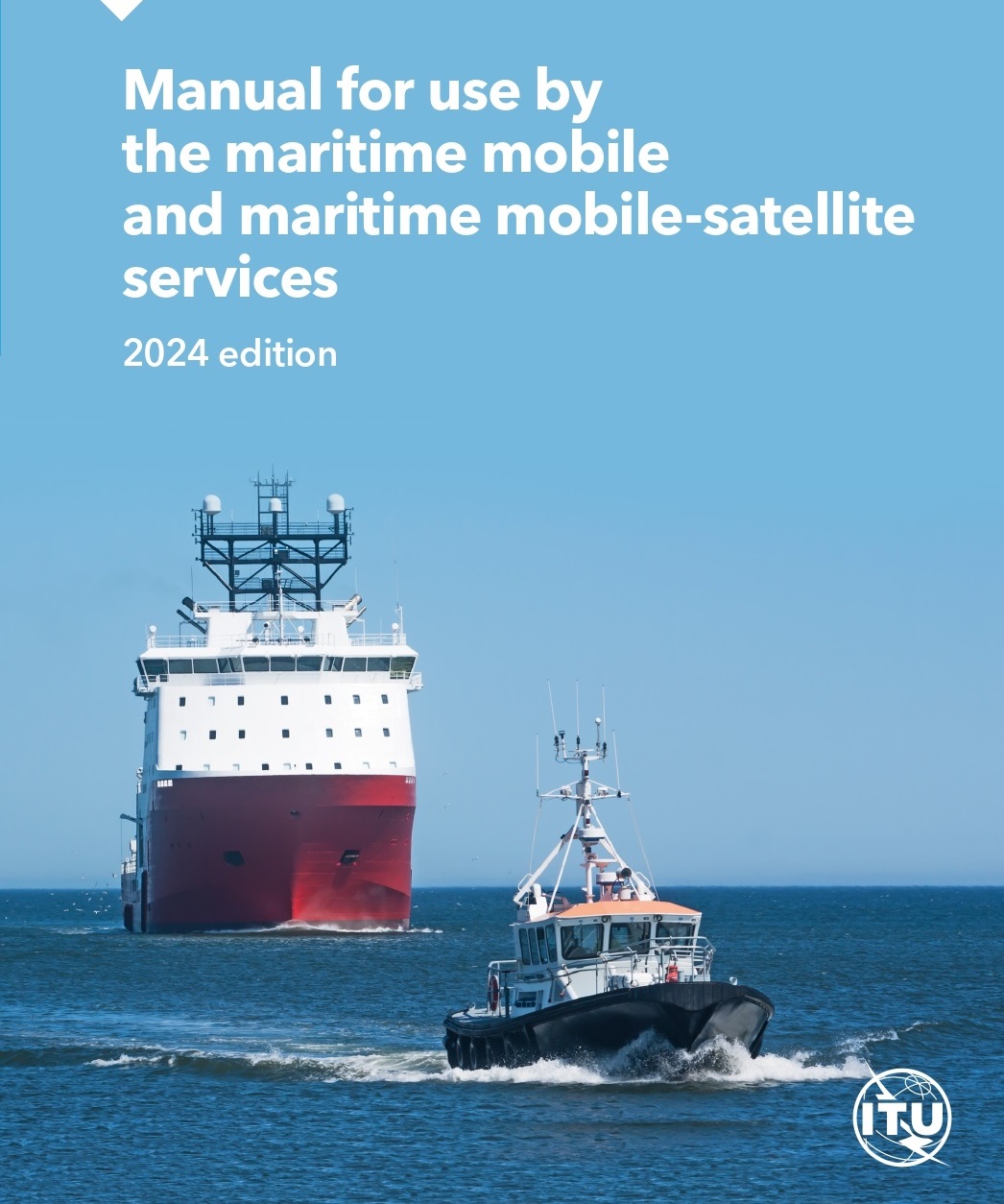
ITU Maritime Manual 2024
Rules and procedures · Printed book
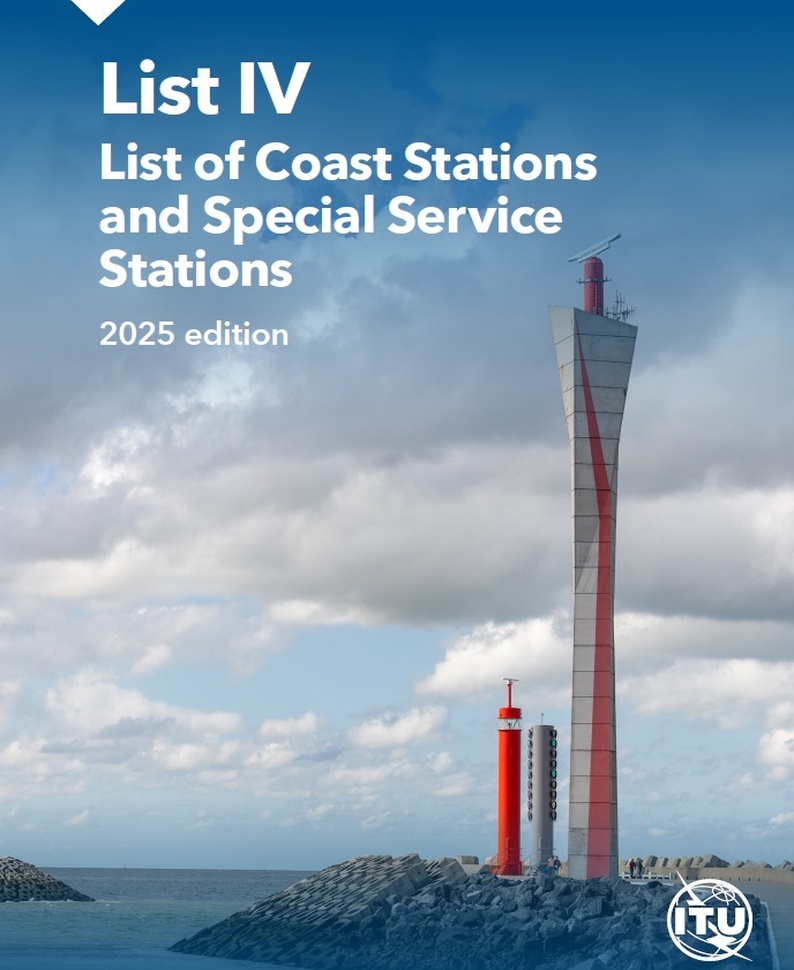
ITU List IV 2025
Coast and special service stations · Digital licence
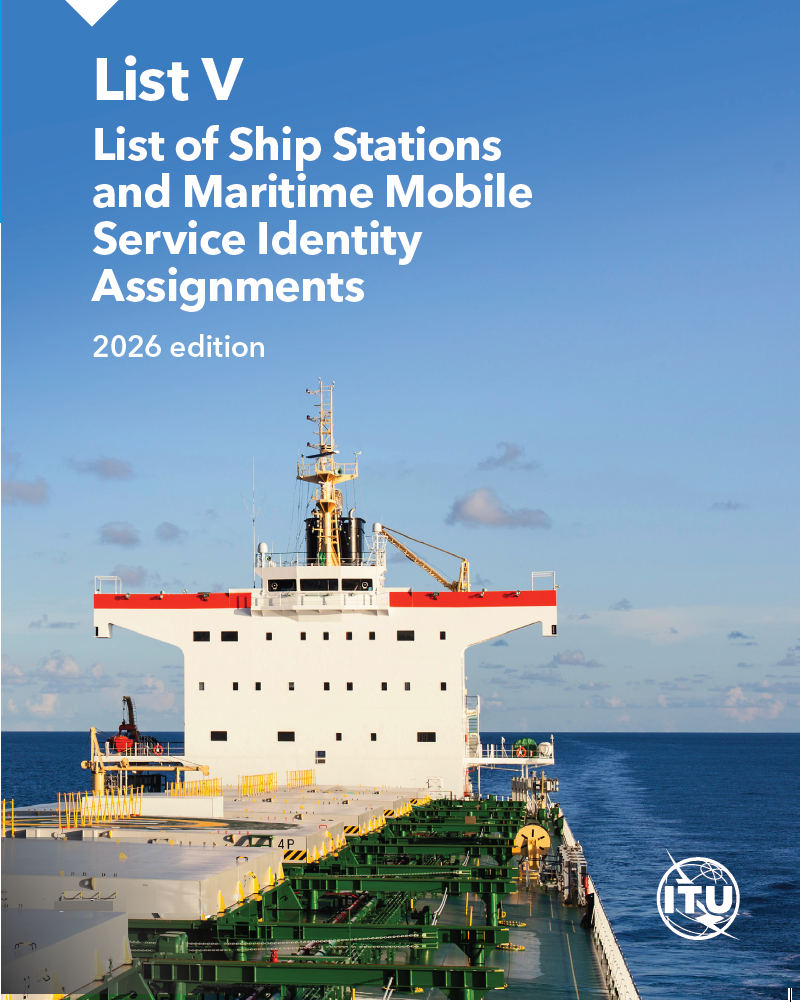
ITU List V 2026
Ship stations and MMSI · Digital licence
Deck and engine-room logbook requirements
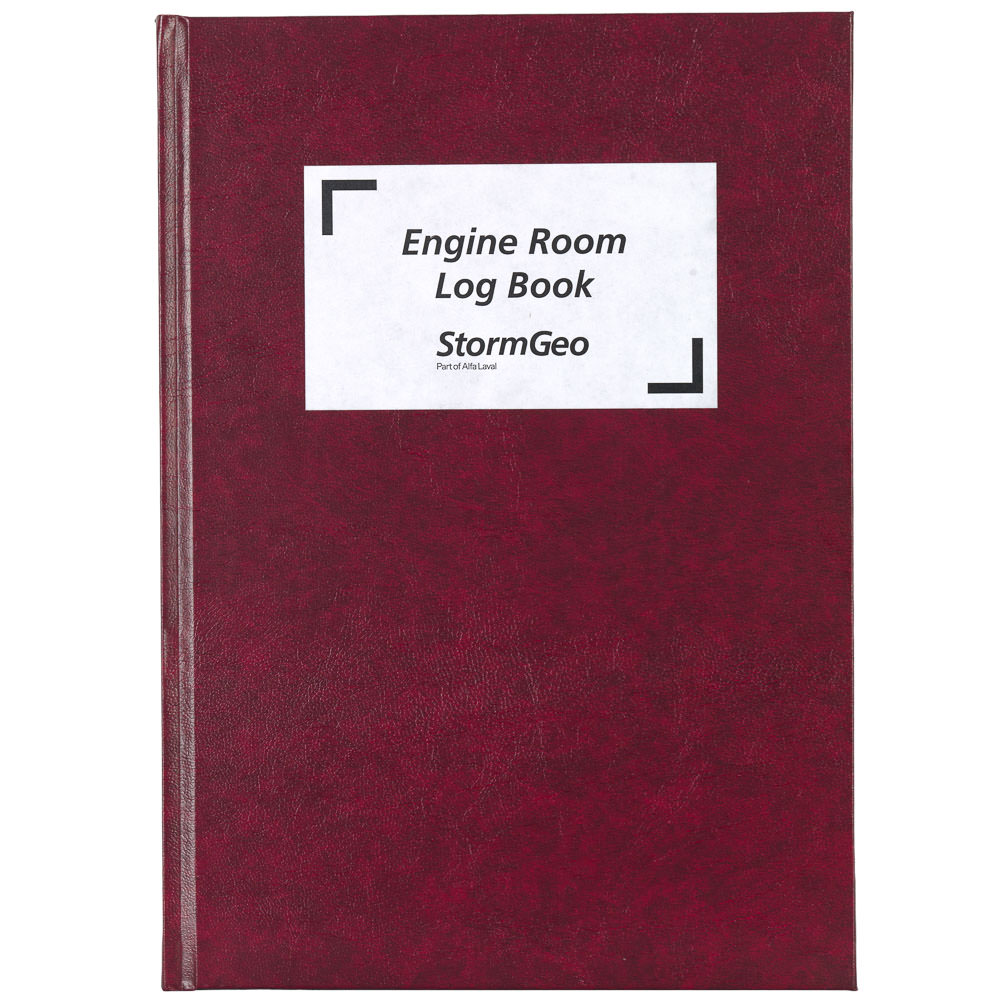
Start with the type of record, language and exact edition. StormGeo and Giertsen may use different layouts for books serving the same purpose.
Deck logbook: small or large?
The small deck logbook is relevant to many vessels in Norwegian domestic trade. Section 9 and the vessel’s operations determine the choice; tonnage alone is insufficient.
Which vessels must keep a deck logbook?
Section 9 covers ships in foreign trade, ships of 50 GT and upwards in domestic trade, fishing and catching vessels of 50 GT and upwards, and mobile offshore units.
The small book may be used by mechanically propelled ships of 50 GT and upwards in domestic trade, ships of 300 GT and upwards in “stor kystfart” (great coasting), and fishing and catching vessels from 50 to below 500 GT. A large book is required where an engine-room logbook is required, except where the small book is permitted.
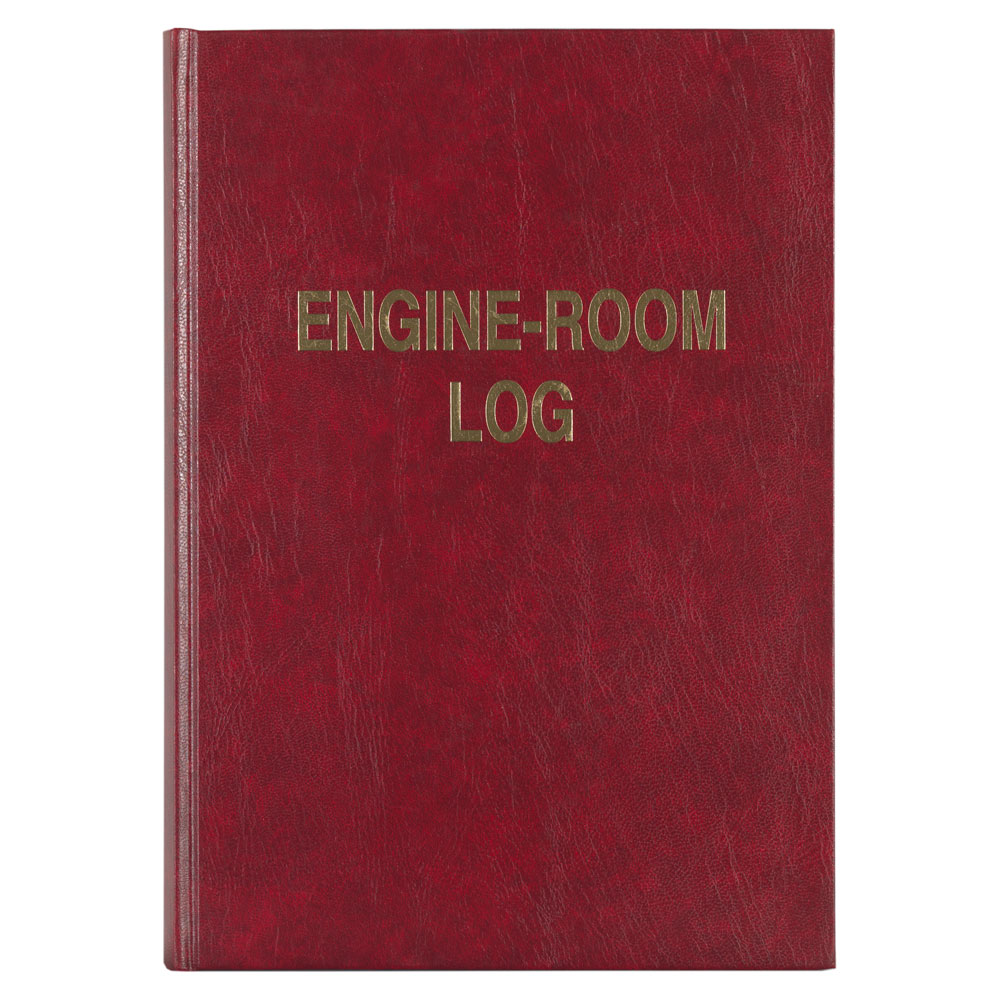
Engine-room logbook: which language?
Check the safe manning document and the vessel’s trade before selecting a book. NIS engine-room logbooks must be kept in English.
Which vessels must keep an engine-room logbook?
Section 10 covers mechanically propelled ships in foreign trade; mechanically propelled ships in domestic trade with an engineer or engine attendant specified in the safe manning document; fishing and catching vessels of 500 GT and upwards; and mobile offshore units.
Approval concerns the exact edition. The Norwegian Maritime Authority states that deck and engine-room logbooks must be approved and the supplier must hold an approval letter. An English or international title alone does not establish approval for NOR/NIS use. Read about approval →
Relevant editions – click a cover to view the product.
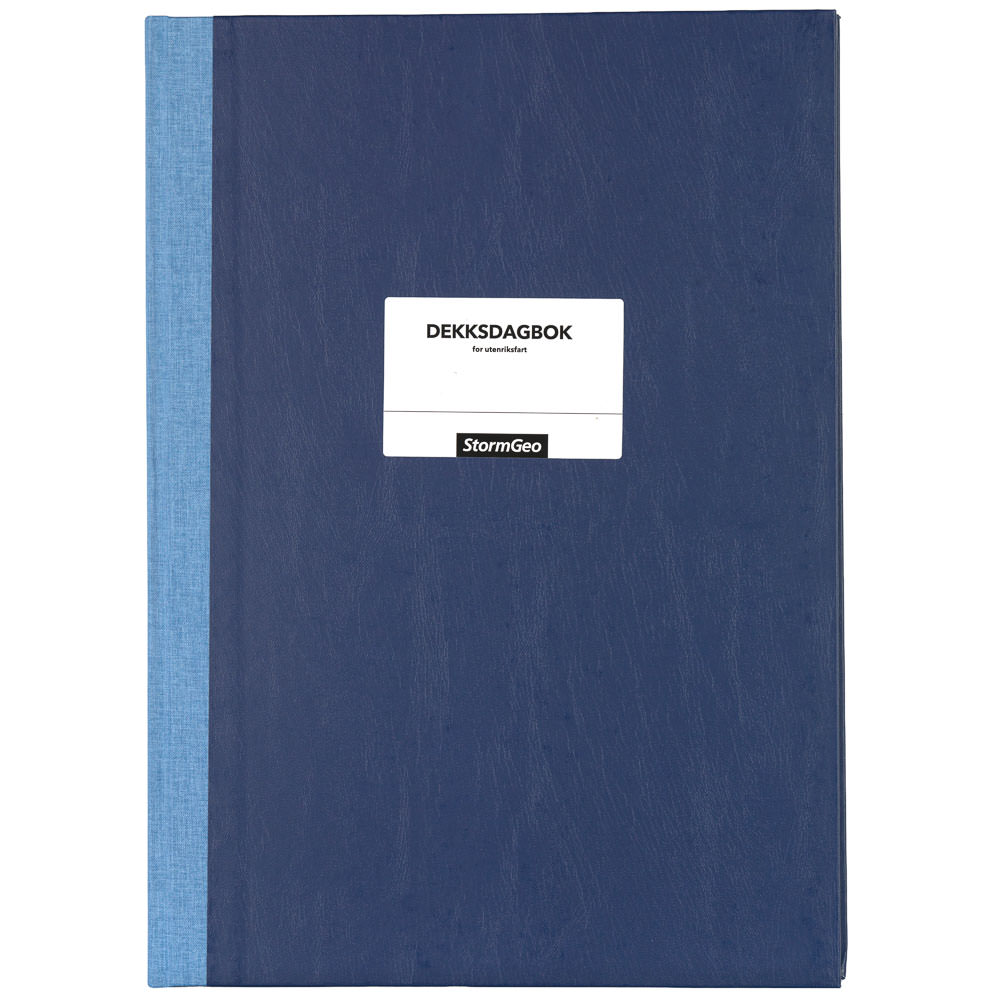

Looking for a familiar title?
Go straight to commonly used Norwegian logbooks and IAMSAR III. These products are starting points for purchasing, rather than a common carriage list for every vessel.
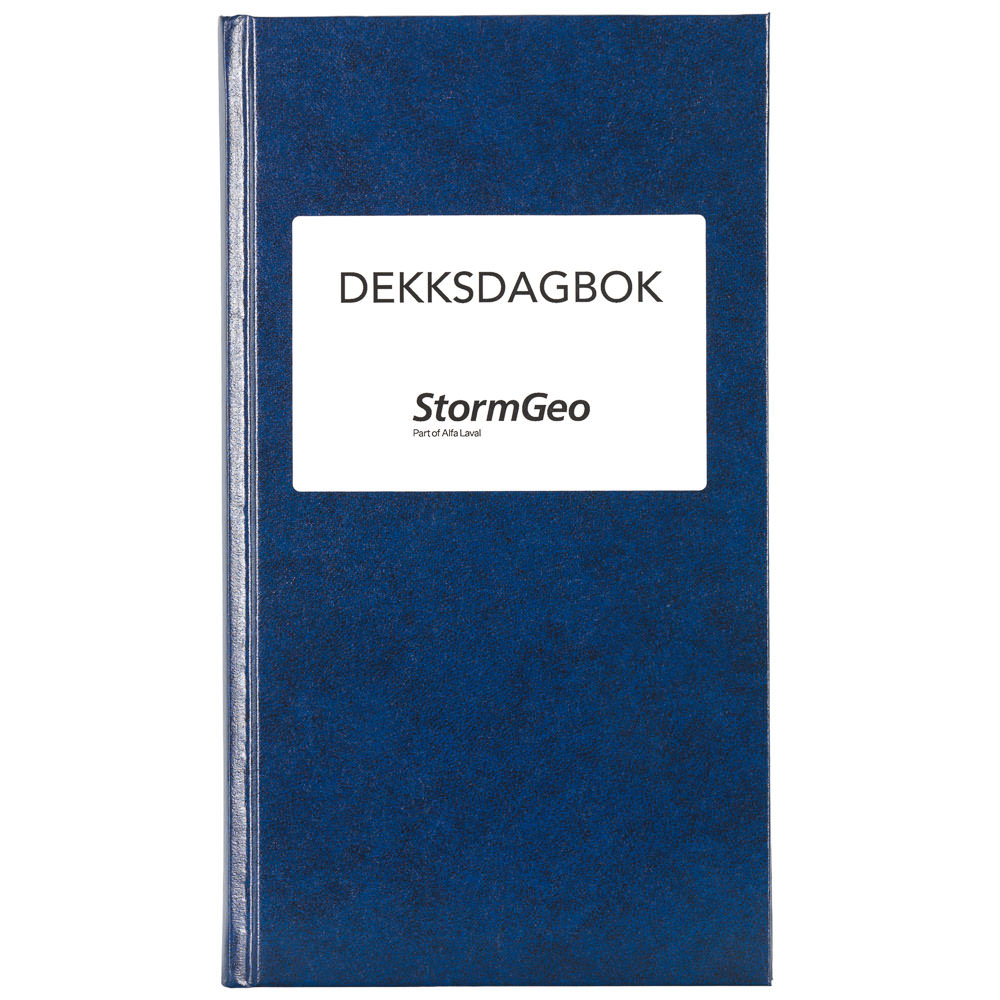
Small deck logbook – StormGeo
Norwegian domestic-trade edition · X1010
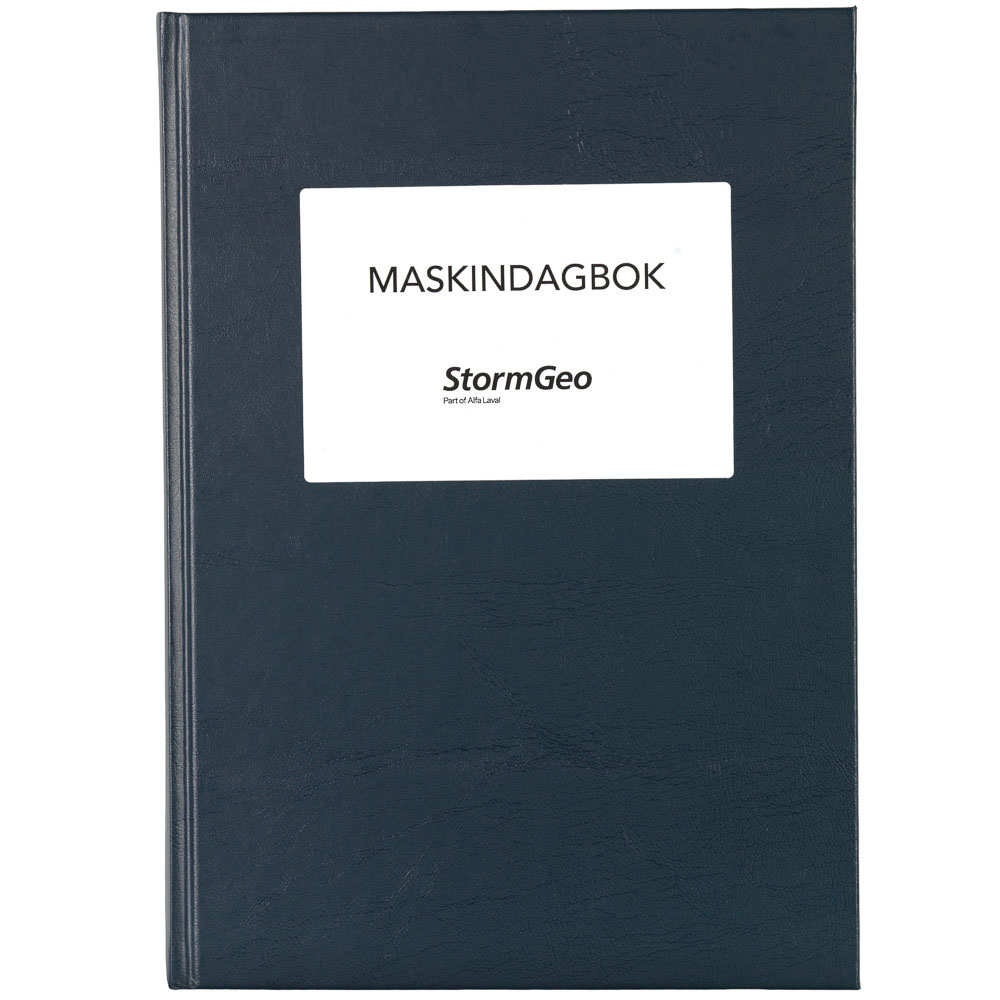
Engine-room logbook NOR – StormGeo
Norwegian edition · X1070

Engine-room logbook NOR – Giertsen
Norwegian edition · Ed. B. Giertsen Forlag

IAMSAR Manual Volume III
2025 edition · Printed book
Oil, garbage and ballast water
Environmental records follow different regulations and scopes. Choose according to vessel size, cargo and operations.
| Record book | What should you check? |
|---|---|
| Oil Record Book Parts I and II | Part I covers machinery-space operations. It applies, among others, to oil tankers of 150 GT and upwards and other ships of 400 GT and upwards. Part II covers cargo and ballast operations on oil tankers subject to the requirement. Check MARPOL Annex I and section 4 of the Environmental Safety Regulations, together with MARPOL Annex I regulations 17 (Part I) and 36 (Part II). |
| Garbage Record Book | The Garbage Record Book requirement in MARPOL Annex V regulation 10 applies to ships of 100 GT and upwards, ships certified to carry at least 15 persons on voyages to ports or offshore terminals under another Party’s jurisdiction, and fixed or floating platforms. Annex V generally applies to all ships; garbage management plans and placards have separate thresholds. Special rules and exemptions exist. Part II concerns relevant solid-bulk cargo residues; both parts are not required for every vessel. |
| Ballast Water Record Book | For vessels covered by the Ballast Water Regulations, check section 8 and appendix 2. The layout must reflect the revised record-book format that entered into force in 2025. |
| Other environmental records | Bunkering, fuel changeover, ozone-depleting substances, sewage and biofouling must be assessed individually. A record book appearing in the catalogue does not mean every vessel must buy it. |
Can environmental records be kept in the deck logbook?
This must be assessed for the particular record. A general deck-log entry does not in itself establish compliance with a MARPOL record’s content, format and signature requirements. Use arrangements meeting the applicable requirements. Electronic MARPOL record books also have their own approval requirements.
Relevant editions – click a cover to view the product.

Oil Record Book Part I
Machinery-space operations · X1200

Oil Record Book Part II
Oil-tanker cargo and ballast · X1210
Garbage Record Book Part I
Garbage records · X1536
Ballast Water Record Book
Layout including 2025 regulations · X1083
Additional books for specialised operations
Larger and specialised vessels may need further cargo, safety, crew, medical and technical documentation. Connect each title to the vessel’s actual operations.
Charts and nautical publications
The intended voyage determines the up-to-date official charts and nautical publications to be available on board. Relevant titles may include sailing directions, lists of lights and tide tables. Section 16 of the Navigation Regulations and section 21 of the smaller-cargo-ship regulation address arrangements and format.
Cargo, safety and crew
Select IMDG, IMSBC and tanker codes according to cargo and ship type. SOLAS training manuals must suit the vessel’s equipment. Convention books and Model Courses are not automatically a compulsory purchasing package for all ships.
Hours of rest can be recorded using a suitable form or compliant electronic system. A bound book is not a general requirement. See the NMA guidance →
Relevant editions – click a cover to view the product.
Night Order Book
Bridge and engine orders · X1135

Record of Hours of Rest
Hours-of-rest record book · X1400

Controlled Drugs Register
Controlled medicines · Witherbys

Register of Lifting Appliances
Lifting appliances and cargo gear · X1050
Logbook questions: language, approval and digital formats
Check these three points even when replacing a book you already use.
Does NOR mean Norwegian and NIS mean English?
For deck and engine-room logbooks, sections 9 and 10 expressly require English for NIS ships. NOR does not mean that every publication or record book must be in Norwegian. Check the language requirements for each type of document.
Can I use an electronic logbook?
Electronic deck and engine-room logbooks may be used when section 5 and the applicable approval arrangements are satisfied. An ordinary PDF or spreadsheet is not automatically an approved electronic logbook. See RSV 14-2026 for systems and installation.
Can I choose digital publications?
Check the format requirement for each title. IAMSAR III and the signal code must be on paper where Norwegian regulations require it. ITU offers several formats; check licensing, onboard access and updates. The product format must match the vessel’s requirements.
What if the vessel is registered under another flag?
Follow the flag State’s requirements and approvals. A NOR/NIS edition is not automatically suitable for Cyprus, Bahamas or another flag. Kart.no also stocks flag-specific and international logbooks.
Need help choosing?
Tell us the vessel type, flag/register, length, GT, trading area and radio sea area, together with the titles or product codes currently used. We can help you find relevant products.
Sources and regulations
Sources checked by Kart.no on 13 November 2026 against the references below. The company and master must establish the provisions, exceptions and approved arrangements applicable to the vessel. This guide assists with choosing books and does not replace the vessel’s own compliance assessment. Linked Norwegian regulations remain the authoritative references.
- Logbook Regulations – sections 5, 9 and 10
- NMA: approval of logbooks
- Navigation Regulations – sections 1, 5 and 16
- Smaller cargo ships – sections 1, 12 and 21
- Fishing vessels of 15 metres and upwards – section 9-16
- Radio records – section 12
- ITU Radio Regulations – Appendix 16
- ITU: editions and formats
- Environmental Safety Regulations – MARPOL
- IMO: Garbage Record Book and MARPOL Annex V
- Ballast water – section 8 and appendix 2
- NMA: recording hours of rest
- Electronic deck and engine-room logbooks – RSV 14-2026