



Why more and more people are learning astronavigation
GPS has made navigation easier than ever. Yet sextants, the Nautical Almanac and classic celestial navigation are experiencing a new wave of interest – among long-distance sailors, modern mariners and adventurous sailors who want to understand navigation on a deeper level.
It is late in the evening. The sea is dark, the electronics are muted and the stars appear one by one over the horizon. In his hand, the navigator holds an instrument that has helped sailors find their way across the world’s oceans for over 250 years: the sextant.
For many people, astronavigation is associated with historic expeditions and old naval vessels. But right now, classic celestial navigation is experiencing a new wave of interest – even among modern sailors.
At Kart.no, the Norwegian textbook Astronavigasjon has been a surprising bestseller over the past year, while demand for sextants, the Nautical Almanac and classic navigation instruments has increased significantly.
It’s not necessarily about replacing modern electronics. Most people learning astronavigation today have a chartplotter, AIS and several GPS systems on board. Yet more and more people want to understand navigation at a more basic level – and see the value of being able to navigate independently of satellites, electricity and screens.
GPS is great – but not infallible
Interest in astronavigation is not just about nostalgia.
In recent years, professional maritime environments and several Western navies have also begun to focus again on alternative navigation methods if satellite systems become unavailable.
In 2016, the US Navy reintroduced training in celestial navigation after several years without training in sextant use. The reason for this was, among other things, growing concern about GPS jamming and spoofing – i.e. interference or manipulation of satellite signals.
Today, GPS interference is no longer a theoretical problem. Both in conflict zones and in civilian maritime areas, there are regular reports of navigation systems losing signal or showing incorrect position. For professional navigators, therefore, redundancy has once again become a keyword.
An article published by the US Naval Institute describes how modern naval vessels are once again practicing manual navigation and astronomical observations over several days without the use of GPS.
In recent years, several Western navies have reintroduced training in astronomical navigation and the use of a sextant as a backup if GPS systems become unavailable.
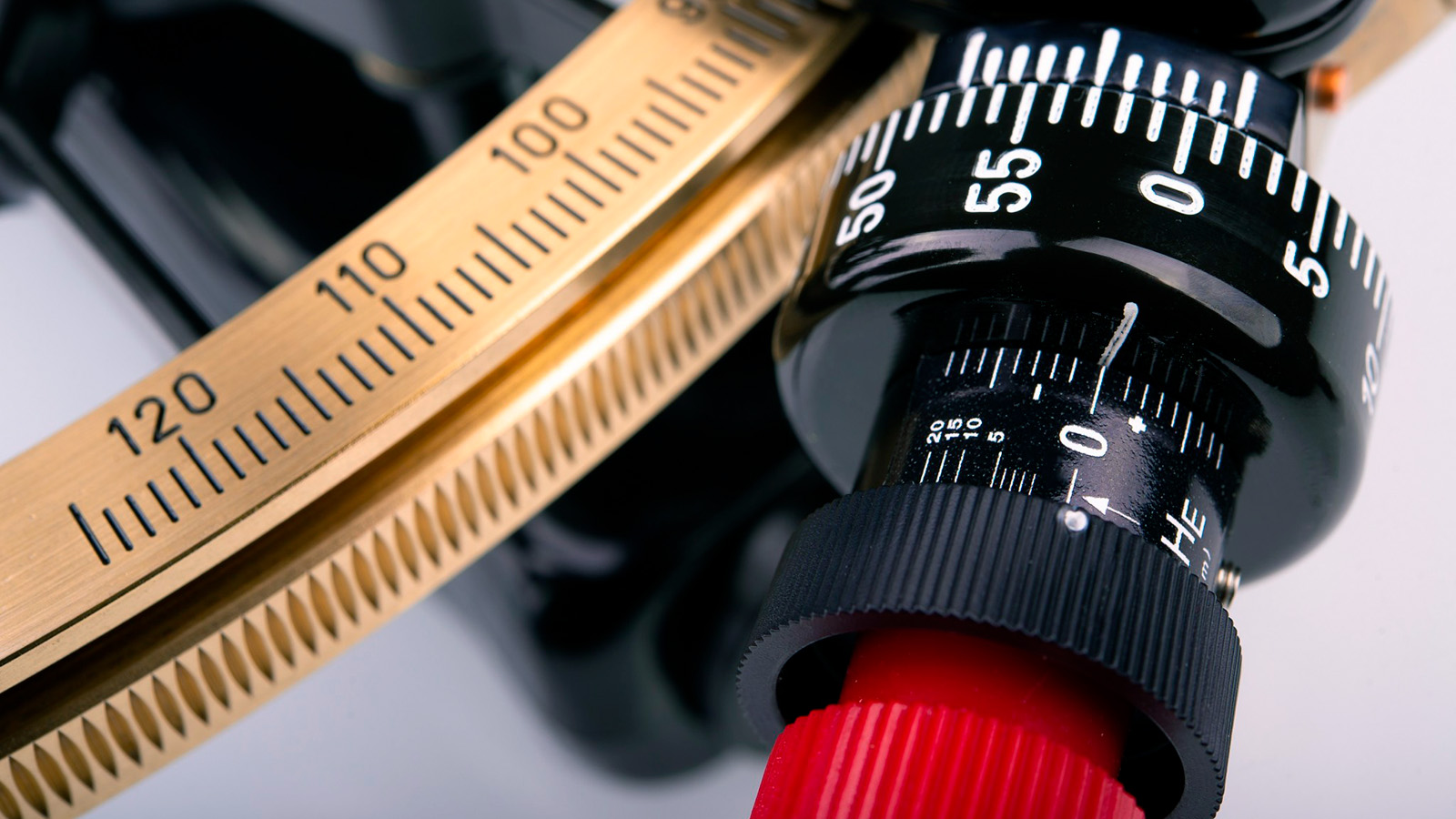
This trend is also being felt by manufacturers. German instrument manufacturer Cassens & Plath – known for its hand-built marine sextants – has recently experienced very high demand and longer delivery times for several models. According to the manufacturer, increased deliveries to the public maritime sector have contributed to pressure on production capacity.
The fact that modern navies are once again investing in classic navigation instruments such as the sextant says something about how the view of robust backup systems is changing.
Regatta as in 1968
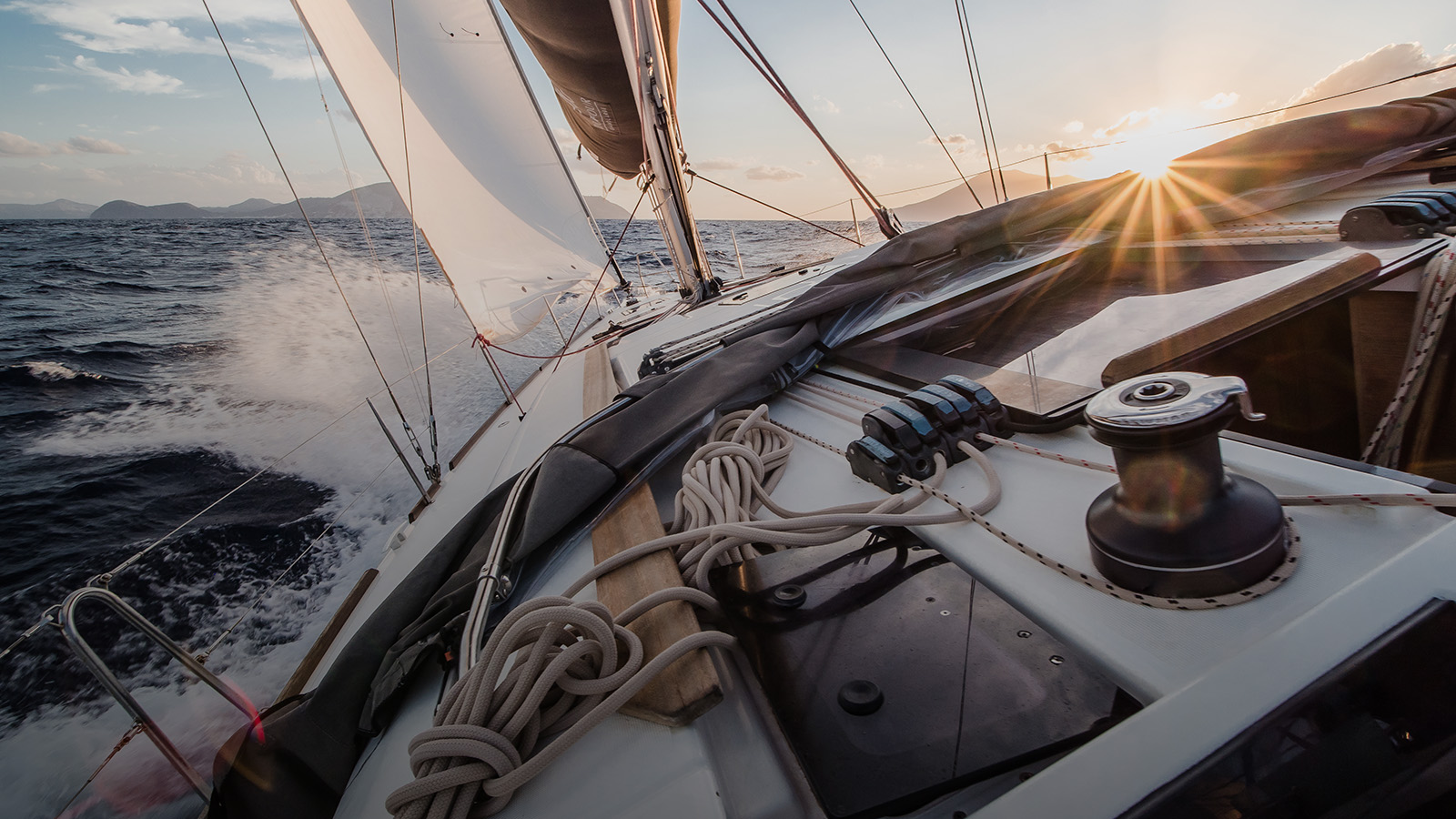
The interest in classic navigation also lives on in modern ocean sailing.
One of the clearest examples is the Golden Globe Race – the legendary solo regatta around the world without modern navigation aids.
The original was organized by the British Sunday Times in 1968 as the world’s first solo, non-stop circumnavigation. Of the nine participants who started, only Sir Robin Knox-Johnston finished.
50 years later, the regatta was revived in a modern form and is now held every four years under the motto:
Sailing like it’s 1968.
Participants sail boats constructed before 1988 and must navigate with sextant, chronometer, paper charts and Nautical Almanac – without modern chart plotters or electronic navigation. GPS is sealed on board and can only be used in emergencies.
Among the participants in the next edition of the regatta is Norwegian Helga Marie (“Mara”), who is preparing to sail alone around the world.
In recent years, the regatta has contributed to increased interest in classical navigation, especially among younger sailors and long-distance sailors who want to learn more than just the use of electronic chartplotters.
From sea to space
The sextant is often associated with historic ocean sailors, but the principle behind astronomical navigation lives on far beyond Earth’s oceans.
In recent years, NASA has been testing modern sextants as a backup system for future space missions should electronic navigation systems fail. A modified Celestaire Astra III Professional sextant was used on the International Space Station (ISS) as part of the Sextant Navigation for Exploration Missions project.
The background is the same as at sea: the need for independent navigation if satellite or radio systems become unavailable.
The use of sextants in space travel is not a new phenomenon either. Already during the Apollo program, astronauts used sextants and star navigation to control the spacecraft’s orientation and navigation between the Earth and the moon.
Suddenly, the sextant isn’t just a nostalgic instrument from the past – it’s a navigation tool with features that modern technology still can’t fully replace.
More than just backup
However, it’s perhaps not primarily emergency preparedness that makes so many people fascinated by astronavigation again.
For many, it’s also about the experience of understanding the sea, sky and navigation in a more direct way.
Taking an observation of the sun with a sextant, looking it up in the Nautical Almanac, calculating a position line and finally plotting your own position on the map provides a completely different understanding of navigation than a chartplotter alone can offer.
It’s about seamanship. About understanding why you are where you are.
At a time when more and more is being automated, this is perhaps what makes classic navigation so fascinating again.
It’s not just about backup if the electronics fail. It’s also about seamanship, understanding and the feeling of being able to navigate the skies as sailors have done for centuries.
Hexagons back on store shelves
The increased interest in classic celestial navigation is also noticeable in the market.
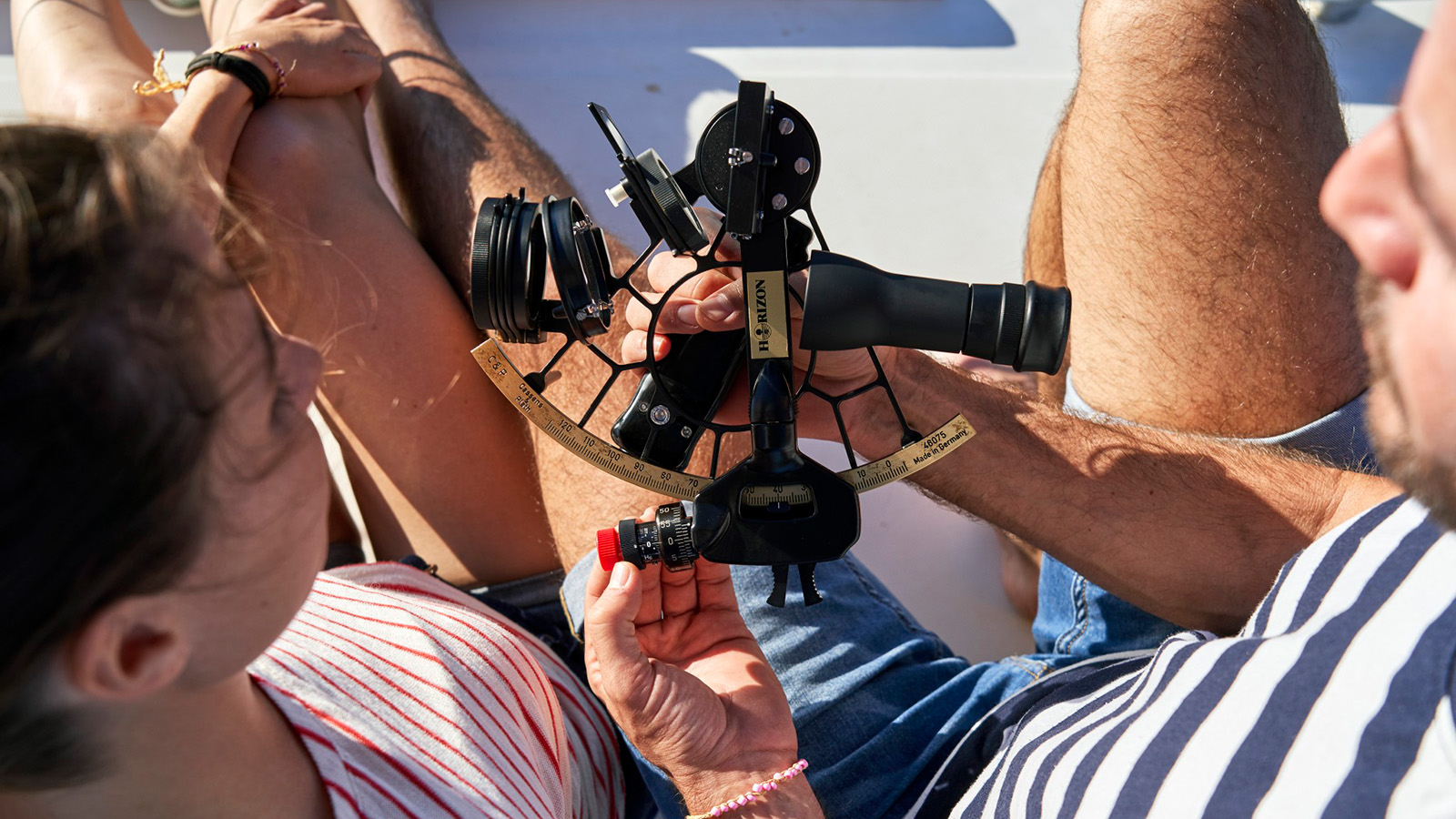
Kart.no has recently built up its own range for astronavigation, with sextants, Nautical Almanac, sight reduction tables and classic navigation instruments.
The brands include both German Cassens & Plath and American Celestaire – two manufacturers with slightly different approaches to classic navigation.
Cassens & Plath in Hamburg is known for hand-built marine sextants used by professional navigators, maritime schools and traditional ocean sailors worldwide. The instruments are still manufactured in Germany and are considered by many to be among the most precise sextants on the market.
US-based Celestaire has made astronavigation more accessible to enthusiasts, cruisers and students, with a wide range of sextants, training equipment and classic navigation publications. A modified Celestaire Astra III Professional sextant has also been tested by NASA on the ISS as part of research into backup navigation for future space missions.
For those who want to learn basic celestial navigation, there are also more affordable training sextants from Davis Instruments – widely used for teaching and introduction to astronavigation.
You can explore sextants and astronomical navigation equipment here:
https://kart.no/sjo/sjokart/sekstanter-utstyr-for-astronomisk-navigasjon/
Equipment for astronomical navigation
For sailors who want to learn classic celestial navigation, there are now training sextants, professional marine sextants, Nautical Almanac and sight reduction tables.
-
Low stock
Davis Mark 3 Sextant – treningssekstant for astronomisk navigasjon
196,04 € Add to cart -
Low stock

Celestaire Astra IIIB Deluxe Sekstant – Whole Horizon Mirror
1.368,61 € Add to cart -
Low stock
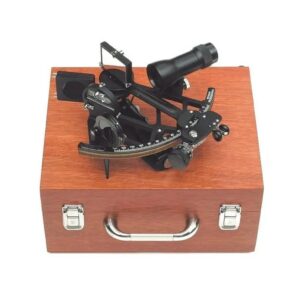
Celestaire Astra III Professional Sekstant – Split Horizon Mirror
1.762,53 € Add to cart -
In stock
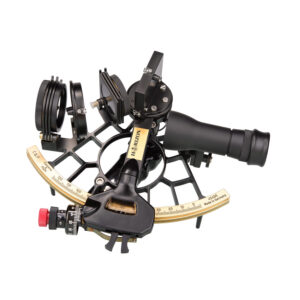
Cassens & Plath Horizon Ultra Sextant – Black – marin sekstant for astronomisk navigasjon
2.216,58 € Add to cart -
Made to order
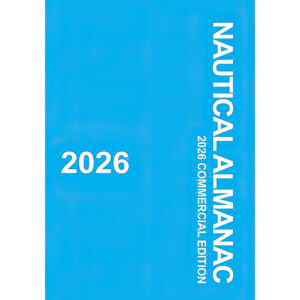
Nautical Almanac 2026 – Commercial Edition (US)
52,73 € Add to cart -
In stock
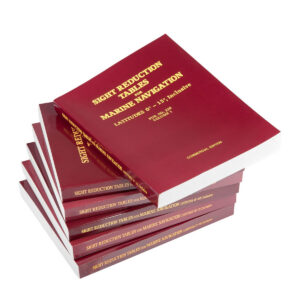
Sight Reduction Tables Pub. 229 – Volume 6
66,63 € Add to cart -
Low stock
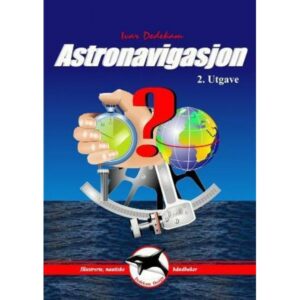
Astronavigasjon (3. og siste utgave)
14,38 € Add to cart
See all sextants and equipment
And what about the paper maps?
Interestingly, interest in astronavigation often follows the same pattern as interest in traditional paper maps.
Many sailors find that classic navigation methods provide a better overall understanding of the voyage and surroundings – even when modern electronics are available.