


Field test · Sleeping bag & sleeping pad
Karen Kyllesø tests a sleeping bag with down and wool
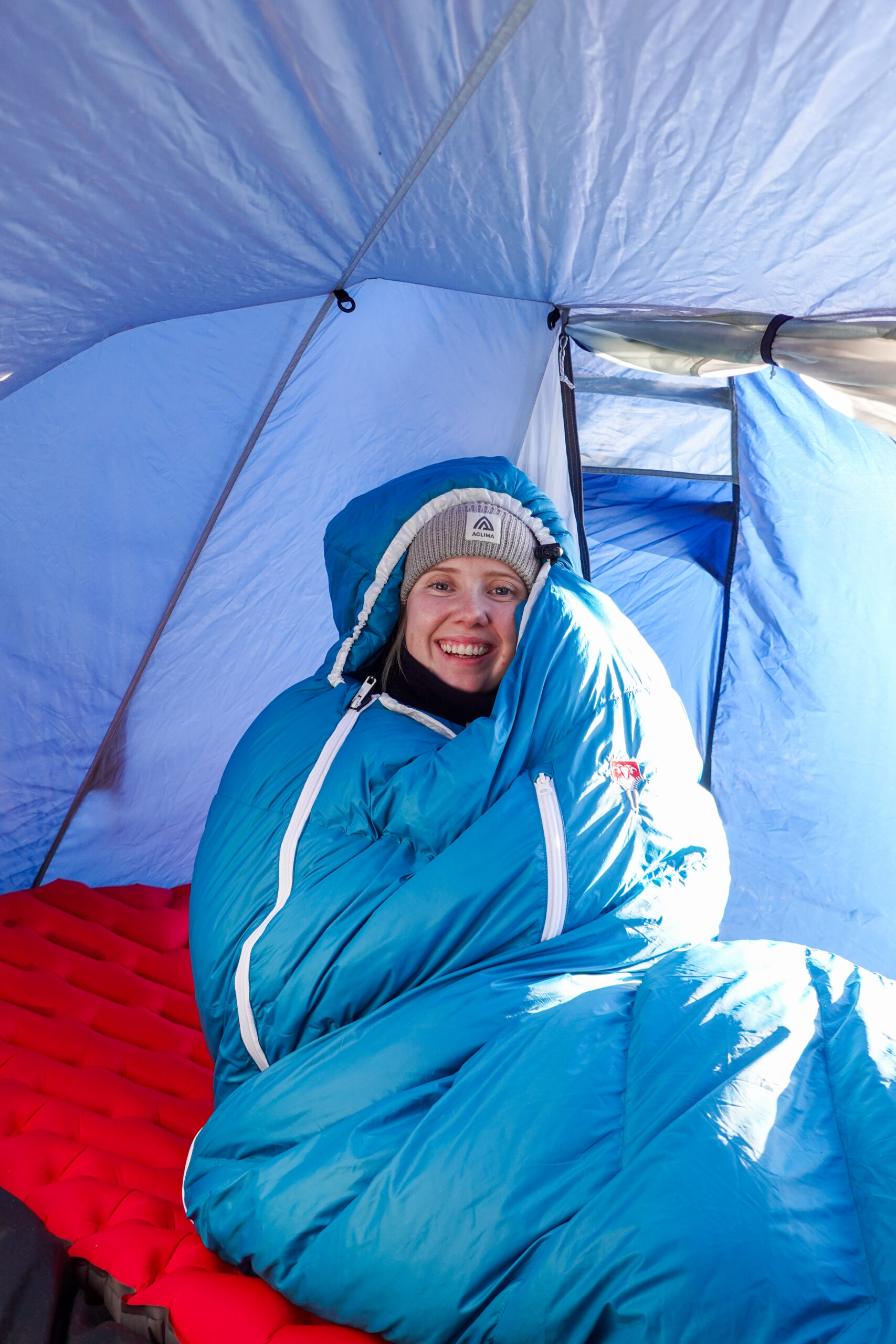
In this sleeping bag and sleeping pad field test, polar explorer Karen Kyllesø tries the Grüezi Bag DownWool Subzero 2.0 on a late-autumn trip in Hemsedal, Norway. The three-season bag, with its patented blend of down and wool, faced a clear, frosty night with temperatures falling to −5 °C.
- Location
- HemsedalGrytevatn · 831 m above sea level
- Date
- 15–16 October2026 · Clear autumn night
- Temperature
- −1 to −5 °CAt bedtime and in the morning
- Test duration
- One night in a tentFirst impressions in the field
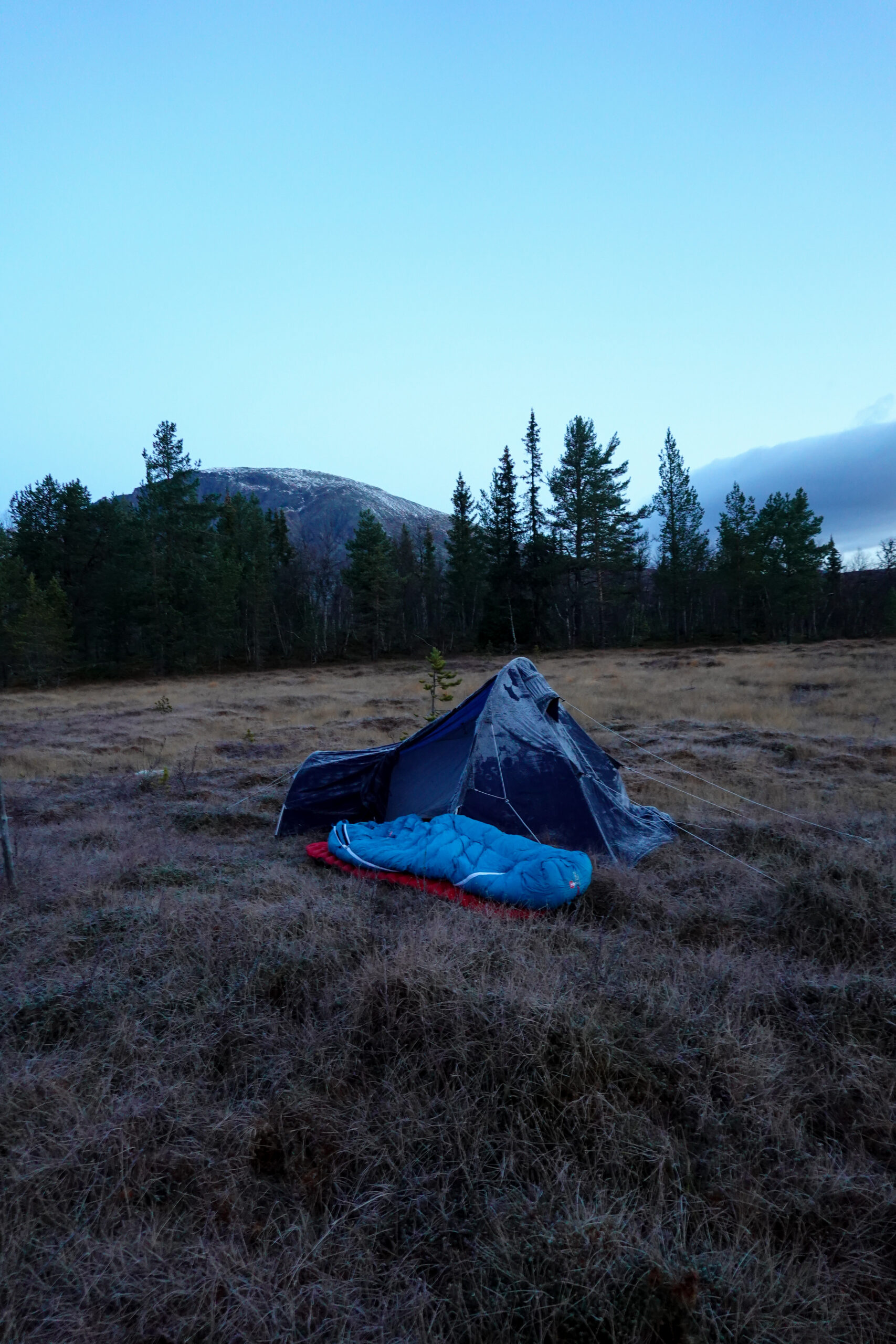
Photos: Private collection. The trip photos were taken at a different location from the overnight test at Grytevatn.
Meet the tester
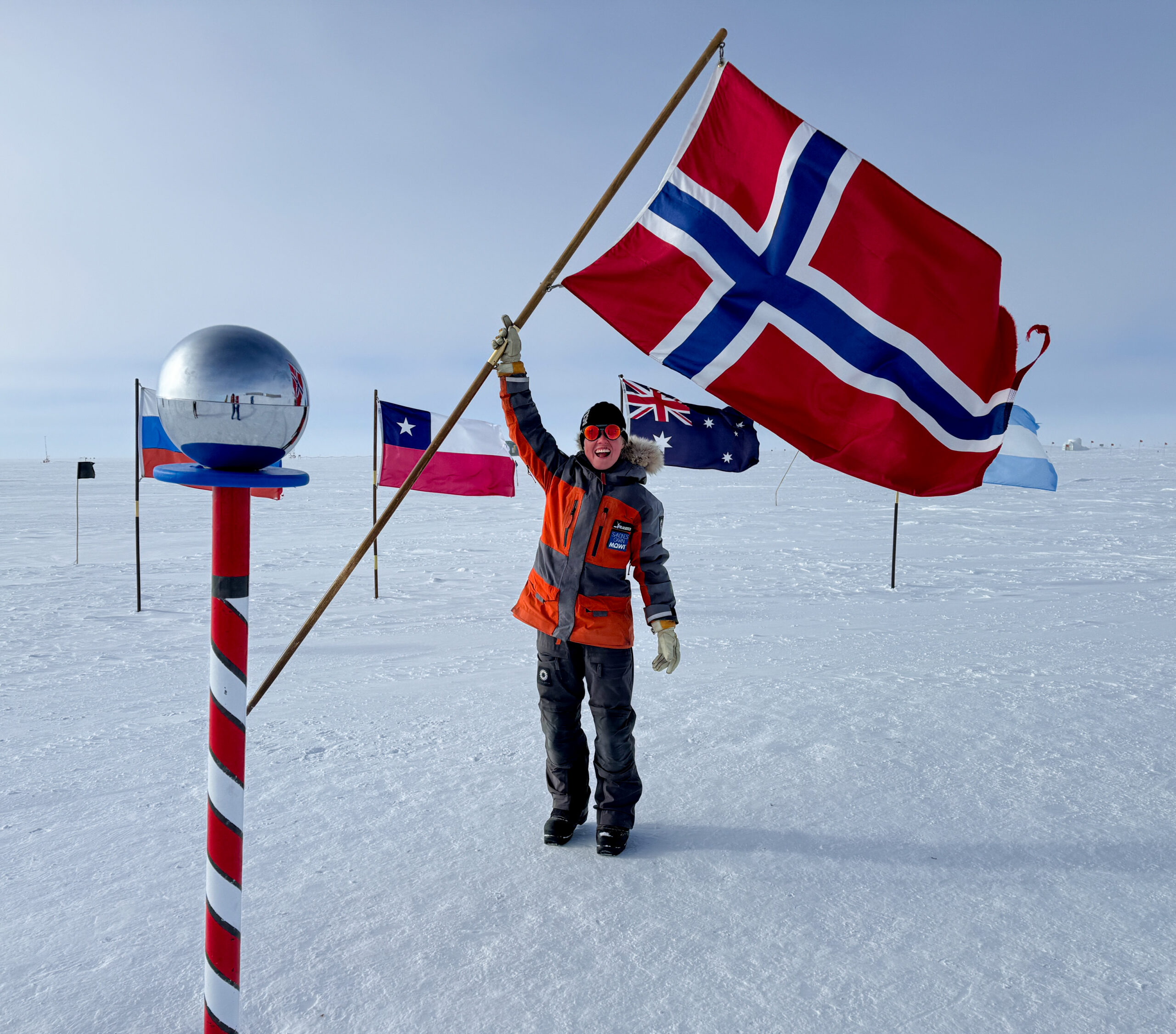
Karen Kyllesø – polar explorer and adventurer
Karen is a polar explorer and adventurer. In 2025, aged 21, she became the youngest person to reach the South Pole solo after 54 days on skis.
Her experience includes polar expeditions and other trips in Greenland, Svalbard, Alaska and Antarctica. A full-time adventurer, she enjoys everything from hunting, fishing and climbing to skiing and hiking, and spends much of the year sleeping in a tent or under the stars. Here she shares her first impressions of Grüezi Bag after an autumn night in Hemsedal.
DownWool – a patented combination of down and wool
What sets the Grüezi Bag DownWool Subzero 2.0 apart from a regular down sleeping bag is the insulation: DownWool combines 70 percent down with 30 percent wool in a patented blend. The down provides excellent warmth for its weight and compresses well. The wool helps manage moisture and regulate the sleeping climate.
Grüezi Bag’s idea is to combine the insulating ability of down with the temperature- and moisture-regulating properties of wool. For Karen, this was one of the most interesting aspects of the test. How did the warmth, material, and sleeping climate feel through a cold night outdoors?
A night by Grytevatn
Karen spent the night in a tent by Grytevatn in Hemsedal, 831 meters above sea level, on the night of October 15–16, 2026. The cloud cover broke up, resulting in a clear and cold autumn night. At bedtime, it was −1 °C. By morning, the temperature had dropped to −5 °C, with frost on the ground.
How the test was carried out
Sleeping bag: Grüezi Bag DownWool Subzero 2.0.
Size tested: Normal – the smallest size.
Sleeping pad: Grüezi Bag DownWool Mat Trekking – a lightweight sleeping pad with down and wool. Two separate air layers.
Clothing: A thin layer of wool, a wool neck gaiter, and a hat.
Extra insulation: No extra bag, liner, or other heat source.
Scope: One overnight stay.
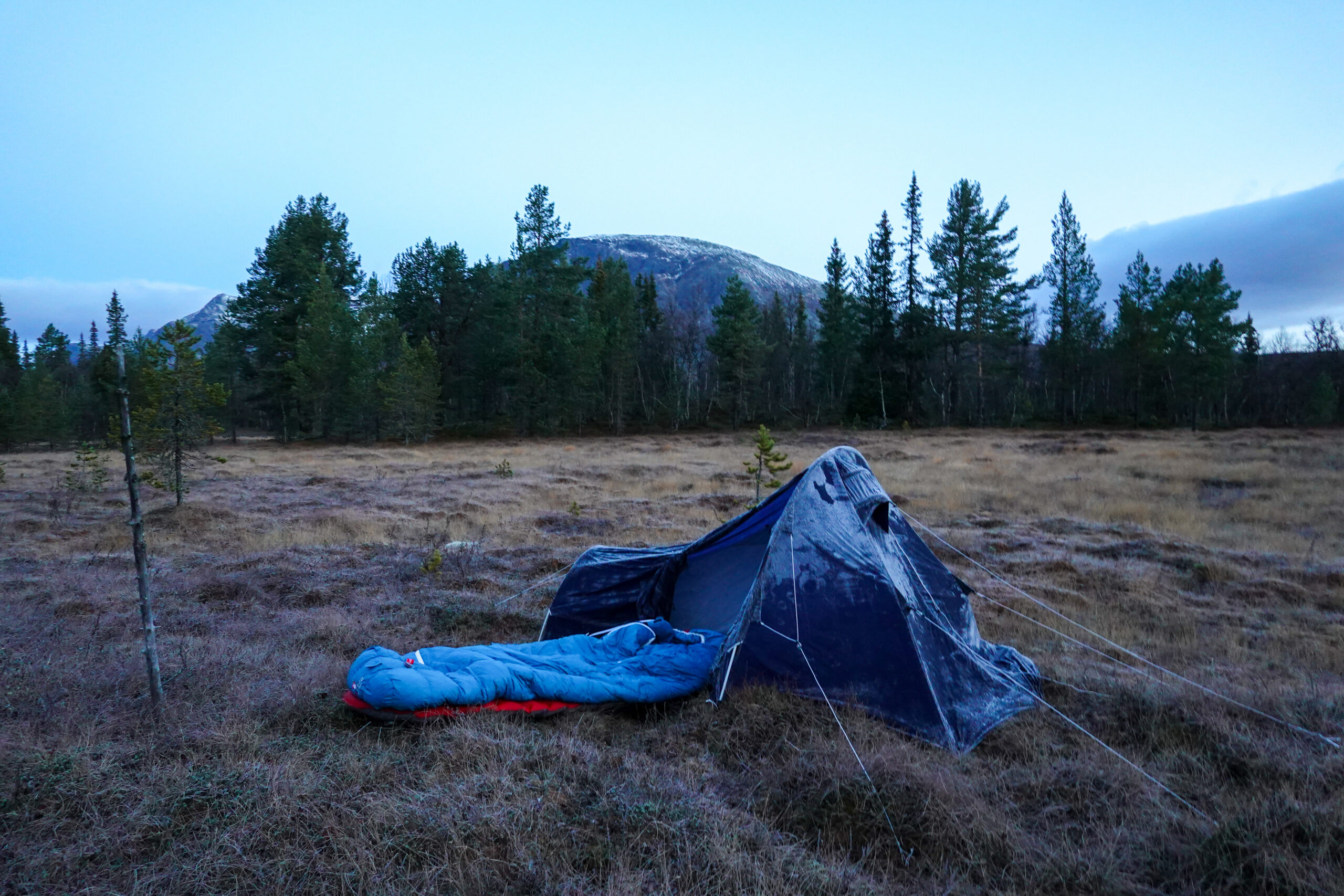
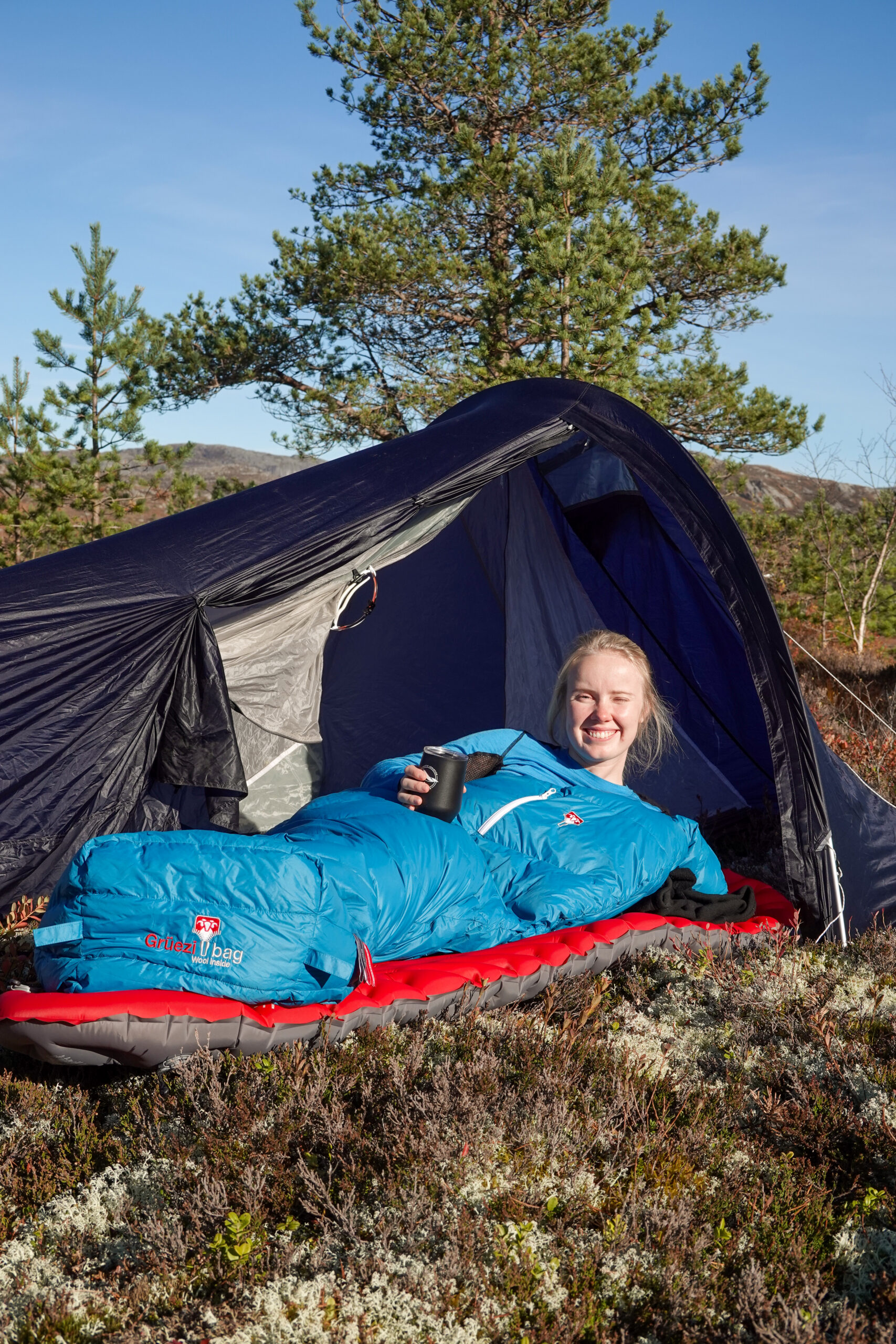
The photos were taken at a different location than the test overnight stay by Grytevatn.
Sleeping bag test: A three-season bag put to the test
A late autumn night with frost on the ground put the Subzero 2.0 through a demanding test. At bedtime in −1 °C, Karen felt warm and comfortable. Around four o’clock, she woke up and noticed the temperature had dropped. She was cold without actually freezing, approaching her personal comfort limit.
She gathered the extra length at the foot end with a buff and tucked the surplus under her legs. This reduced the amount of air she had to warm up, and she quickly fell back asleep. In the morning, at −5 °C, she wasn’t freezing but was still close to her comfort limit. The hood and draft collar worked well, and she felt her experience matched well with the stated T-limit and T-comfort ratings.
Fit also plays a role. Karen is 152 cm tall and tested the Normal size, the smallest size of the model. The bag was a bit long for her, and she felt this affected the sense of warmth. At the same time, she appreciated the roominess and freedom of movement. She wasn’t able to fully assess the shaped foot box.
Find the right size: See our sleeping bag size guide.
Soft material and a comfortable sleeping climate
The material was something Karen noticed right away. She describes it as soft and comfortable, with an immediately warming feel. The bag felt roomy, with good freedom of movement.
She didn’t experience clamminess as an issue that night. In the morning, there was a bit of moisture near the opening around her head, where she breathed, but otherwise no moisture in the bag.
Karen writes that she likes the bag very much and has great confidence in the combination of down and wool, especially when it comes to moisture management.
The details she appreciated the most
Ventilation at the feet. The zipper curves in over the foot end, allowing her to ventilate the top of the bag. This is a feature Karen uses a lot, and she particularly liked its placement. The zippers were easy to use and didn’t get stuck during the test.
A pillow pocket that stays in the hood. The pillow pocket had plenty of room for wool clothing or a thin down jacket. She found both the size and the solution to work well in practice.
Hood and tightening. The hood had a comfortable fit and was easy to tighten, while still letting fresh air reach her face.
Pockets with a small reservation. The sleeping bag has both an interior and an exterior storage pocket. The exterior one sat a bit high for Karen’s liking: with a phone or GPS in the pocket, the weight could end up resting on her body while lying down.
She describes the sleeping bag as relatively lightweight, easy to handle, and easy to pack into its adjustable stuff sack.
The sleeping pad: warm and comfortable on frozen ground
Karen used the Grüezi Bag DownWool Mat Trekking – a lightweight sleeping pad with down and wool. She likes the sleeping pad at least as much as the sleeping bag. She was very satisfied with both the sleeping comfort and the ability to adjust firmness by adding or releasing air. Even though the ground was frozen, she felt comfortable and warm.
The two separate air layers were a design she initially thought might be a bit impractical. After using the pad, however, she appreciated the added security of knowing that one air layer can still hold air if the other gets punctured.
Inflating and packing had room for improvement. The check valves felt a bit slow and stiff compared to other pads she has used. It took more effort and time to push air from the pump sack into the pad. The pump sack itself, however, was easy to fill with air and use.
She thought it was a good idea that the pump sack also doubles as a stuff sack. In practice, though, the pad had to be folded and packed quite precisely for the sack and tightening straps to work optimally.
What trips would Karen use the sleeping bag for?
Karen describes the Subzero 2.0 as a perfect three-season bag. She envisions it for summer in the high mountains and for trips generally from April to September, and would personally choose it for nights ranging from about +2 °C to +16 °C and above. That’s her personal preference – on the trip in Hemsedal, the bag was tested under colder conditions, down to around −5 °C.
She also sees possibilities for extending its use with an outer synthetic bag or an inner reactor liner. Such combinations were not part of this test.
Grüezi Bag also offers models for winter and expeditions
The Subzero 2.0 is a three-season model within a larger range. For planned trips in sub-zero temperatures and snow, warmer alternatives are available: DownWool Ice 2.0 is designed for winter and cold conditions, while DownWool Ice Extreme is a winter and expedition model for more demanding cold conditions.
This report covers the Subzero 2.0. The warmer models were not included in Karen’s test.
A good first impression – with more to test
Karen is left with a good impression of the comfort and the well-thought-out details. The ventilation at the feet and the pillow pocket stand out in particular, along with the feel of the material. The sleeping pad gave her good comfort and insulation against the cold ground, with a few practical reservations regarding the valves and packing.
She would have liked several consecutive nights to assess moisture buildup over time. Durability and experiences from longer trips are also not determined through this single overnight stay.
The products in the test
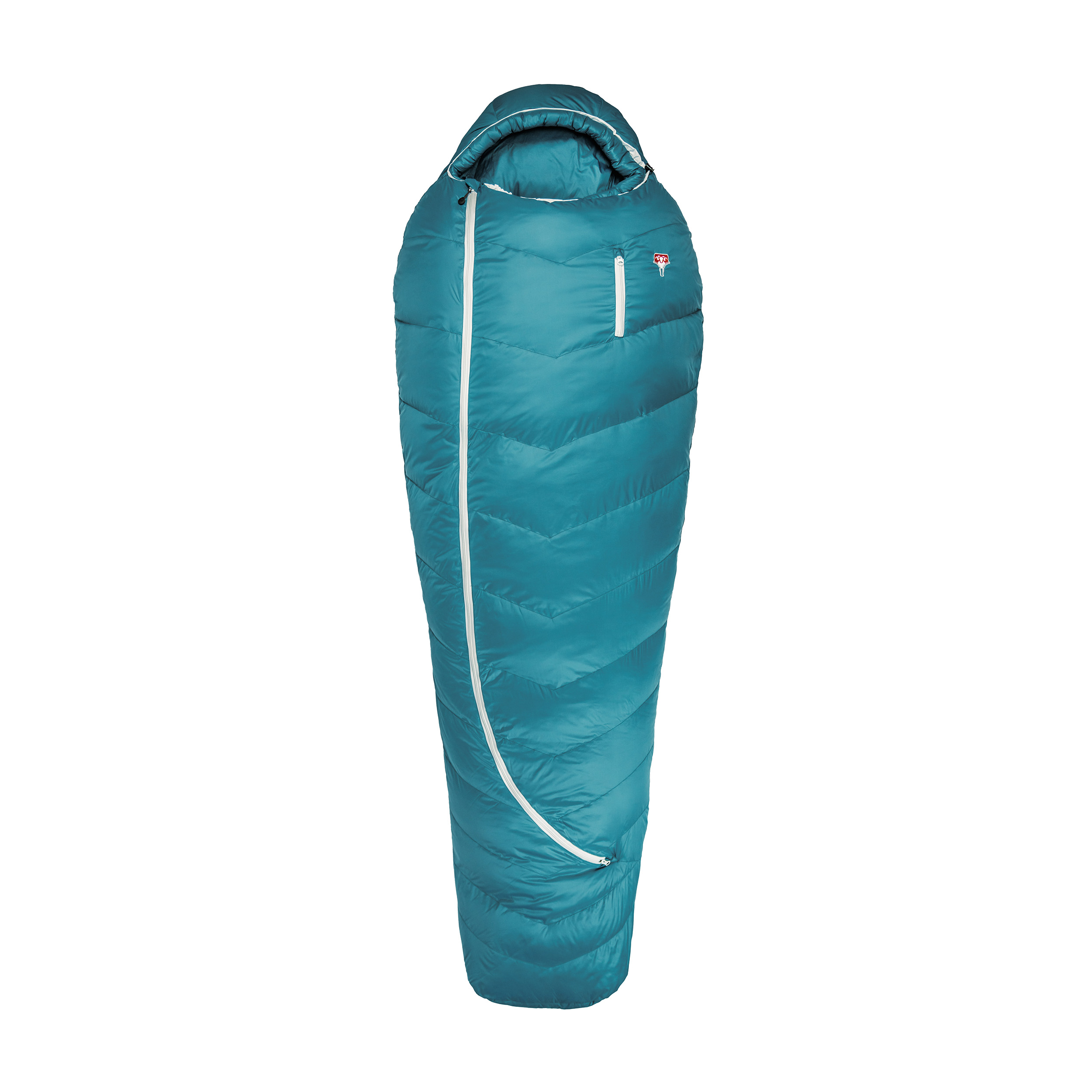
Grüezi Bag DownWool Subzero 2.0
The sleeping bag Karen used on the autumn trip in Hemsedal. See product information and available sizes.
View the sleeping bag →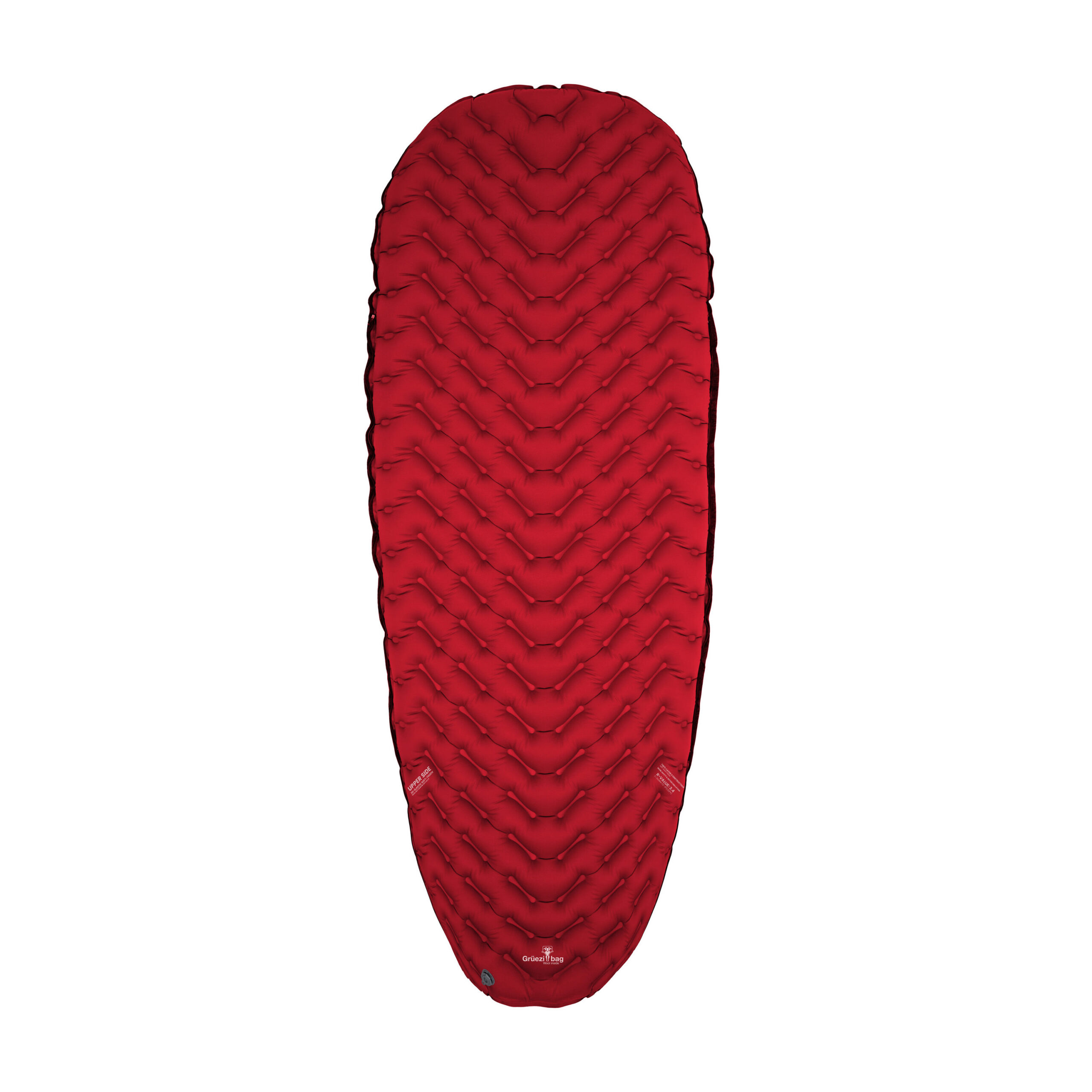
Grüezi Bag DownWool Mat Trekking
A lightweight sleeping pad with down and wool and two separate air layers – the pad Karen used in the test.
View the sleeping pad →Testing basis: Karen’s field report and follow-up answers from October 2026. The trip photos with the sleeping bag were taken at a different location than the actual overnight stay by Grytevatn. Expedition photos are used to introduce Karen and do not show the equipment from this test.
Kart.no field reports
Practical experience, clearly described test conditions and assessments from people who use their equipment outdoors.